
Icicles Are Popping Up Across Central Indiana |
Understanding the Formation and Impact of Winter's Icy Ornaments |
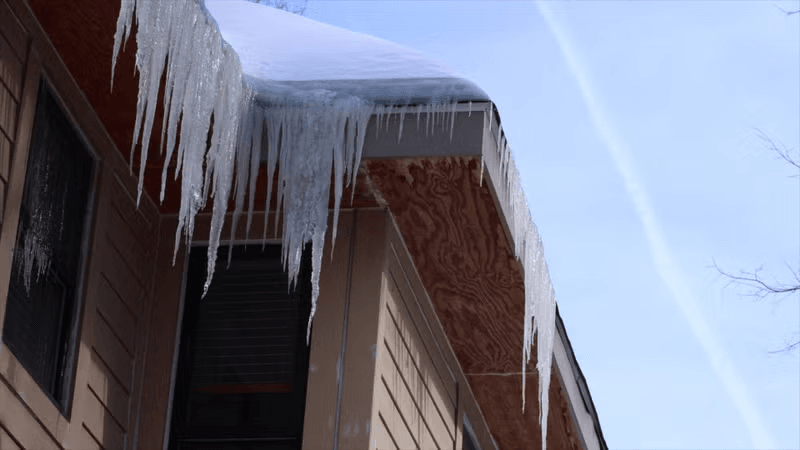
Following the recent winter storm that blanketed central Indiana, residents are observing a striking phenomenon: icicles adorning rooftops, gutters, and overhangs throughout the region.
Despite temperatures remaining near or below freezing, the appearance of these icy formations is a natural consequence of winter's interplay between sunlight and temperature fluctuations.
Icicles develop when snow or ice melts just enough to produce liquid water, which then drips downward and refreezes upon contact with colder air.
Even on days when the mercury doesn't rise above freezing, the sun's rays can warm dark surfaces like roofs, shingles, metal gutters, and brick walls.
This warmth causes the snow atop these surfaces to melt slowly during daylight hours.
As the meltwater trickles toward the edge of a roof or ledge, it encounters colder air and refreezes, forming an icicle drop by drop.
In the Northern Hemisphere, the sun stays lower in the southern sky during winter.
Consequently, south-facing sides of buildings receive the most direct sunlight, even in January.
As a result, icicles tend to form more frequently and grow larger on the south and southwest sides of homes and buildings.
North-facing sides often remain colder and more shaded, leading to less melting and fewer icicles.
The recent snowstorm set the stage perfectly for this process.
Thick snow coverage provided ample material to melt, while clear or partly sunny days afterward supplied just enough solar energy to initiate the slow melting process.
Cold overnight temperatures then refroze that water repeatedly, allowing icicles to grow longer over time.
While icicles can be beautiful and even festive, they can also pose dangers.
Large icicles are heavy and can fall unexpectedly, posing risks to people, pets, and property below.
It's important to exercise caution when walking near buildings after snowstorms and to avoid standing under roof edges where icicles are forming.
As long as snow remains on rooftops and daytime sunshine continues, icicle formation will remain a common sight around central Indiana, serving as a clear reminder that winter's impact doesn't end when the snow stops falling.
In addition to the visual spectacle, the recent winter weather has led to hazardous conditions on the roads.
Indiana State Police reported a surge in crashes and slide-offs, urging drivers to slow down and adapt to the slippery conditions.
Authorities emphasize the importance of reducing speed, increasing following distance, and avoiding sudden braking to prevent accidents.
For those who can, staying off the roads altogether is the safest option during severe weather.
Furthermore, the National Weather Service has issued advisories for Monroe County and surrounding areas, warning of snow accumulation between 2-5 inches and temperatures approaching zero degrees or lower due to a polar vortex.
Residents are advised to prepare for slippery road conditions and to stay updated on weather advisories through local emergency management agencies.
For those looking to embrace the winter scenery, several local spots offer breathtaking views of icicle formations.
The Sweedy Hollow area in the Morgan-Monroe State Forest features a stunning curved rock shelter that becomes even more picturesque in winter, as huge icicles dangle from the shelter's overhang.
Similarly, McCormick's Creek State Park near Spencer showcases limestone outcrops glistening with icicles, and if it's cold enough, visitors might even see the waterfall freeze over.
These natural displays highlight the beauty and power of winter in central Indiana.
As the season progresses, staying informed about weather conditions and exercising caution will help ensure safety while enjoying the unique winter landscapes that central Indiana has to offer. |
0 Comments
Join the conversation
Be the first to comment
Share your thoughts above.