
Indiana Students Stage Walkouts to Protest ICE Actions |
Youth Across the State Demand Immigration Reform Amidst Freezing Temperatures |
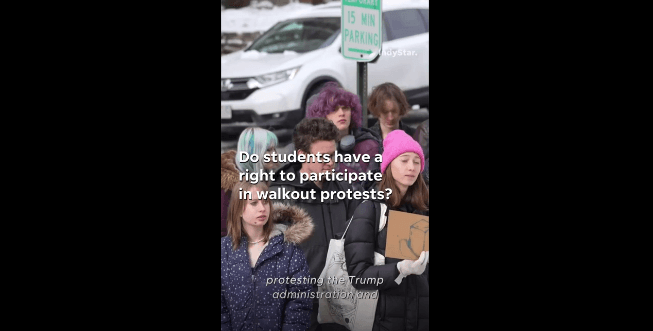
In a bold display of civic engagement, students across Indiana have organized walkouts to protest the actions of U.S. Immigration and Customs Enforcement (ICE) and the policies of the Trump administration. These demonstrations are part of the nationwide "Free America Walkout," a movement that has galvanized youth to advocate for immigration reform and human rights.
On January 20, 2026, students at Carmel High School braved sub-zero temperatures to march from their school to City Hall. Hundreds participated, holding signs and chanting slogans denouncing ICE's practices. Jack McNally, a student organizer, emphasized the importance of youth voices in political discourse, stating, "If an older generation cannot recognize those truths, then let it be the younger generation that takes a stand, makes the right decisions and shows them." ([wboi.org](https://www.wboi.org/2026-01-21/hundreds-of-carmel-students-walk-out-of-school-to-protest-trump-ice?utm_source=openai))
Similarly, in Bloomington, approximately 50 protesters gathered outside the Monroe County Courthouse despite the biting cold. The group, associated with Bloomington 50501, stood in solidarity against federal immigration policies. Rosa-Lyn Householder, a participant, expressed her concerns about environmental issues and the future of the planet, linking them to broader governmental policies. ([idsnews.com](https://www.idsnews.com/article/2026/01/bloomington-city-protest-immigration-democracy-america-walkout?utm_source=openai))
These protests are not isolated incidents. Students at Brownsburg High School, Noblesville High School, and Mt. Vernon High School in Fortville have also organized or are planning similar walkouts. The movement has gained momentum following the deaths of U.S. citizens Renee Good and Alex Pretti at the hands of federal agents earlier this month, events that have intensified public scrutiny of ICE's operations.
The demonstrations have sparked discussions about students' constitutional rights to protest during school hours. While the 1969 Supreme Court case Tinker v. Des Moines established that students do not "shed their constitutional rights to freedom of speech or expression at the schoolhouse gate," it also stipulated that such expressions must not disrupt the learning environment. Legal experts note that walkouts, by their nature, can be considered disruptive, potentially leading to disciplinary actions by school administrations.
However, schools are not obligated to punish students for participating in walkouts. The degree of disruption caused by the protest often influences the level of discipline, if any. Consistency is key; schools must apply the same standards to all protests, regardless of the cause, to avoid accusations of viewpoint discrimination.
Parents can play a role by providing consent for their children to participate in such protests, similar to excusing them for other activities. This parental involvement can mitigate potential disciplinary actions from schools.
The recent wave of student activism in Indiana reflects a broader national trend of youth engagement in social and political issues. As these young individuals continue to raise their voices, they contribute to the ongoing dialogue about immigration policies and the role of federal agencies like ICE in American society. |
0 Comments
Join the conversation
Be the first to comment
Share your thoughts above.